Understanding Heated Tobacco Products: A Guide
Heated tobacco products are gaining attention as a modern alternative to traditional smoking. These products heat tobacco instead of burning it, which reduces harmful chemicals. This technology, known as “heat-not-burn,” offers a different experience for users.
Smokers seeking alternatives may find heated tobacco appealing. It provides a smokeless option that still delivers nicotine. This guide will explore how these products work and their potential benefits.
Heated tobacco products are part of a broader trend in tobacco alternatives. They aim to reduce health risks associated with smoking. Understanding these products can help you make informed choices.
Join us as we delve into the world of heated tobacco. Discover if this smoking alternative is right for you.
What Are Heated Tobacco Products?
Heated tobacco products, often called heat-not-burn products, offer a new way to consume nicotine. They heat the tobacco to release an aerosol without combustion. This process aims to reduce the intake of harmful substances typically found in cigarette smoke.
Unlike traditional cigarettes, which burn at high temperatures, these products operate at lower heat levels. The technology focuses on producing fewer chemicals and delivering a similar nicotine experience. This gives users a smokeless alternative that is potentially less harmful.
Heated tobacco products are distinct from e-cigarettes, which use liquid nicotine rather than tobacco. Popular devices like IQOS and Glo exemplify this approach. They incorporate advanced tobacco heating systems and sleek designs.
Some key features of heated tobacco products include:
- Controlled heating mechanisms
- Smokeless operation
- Familiar nicotine experience
- Stylish and portable devices
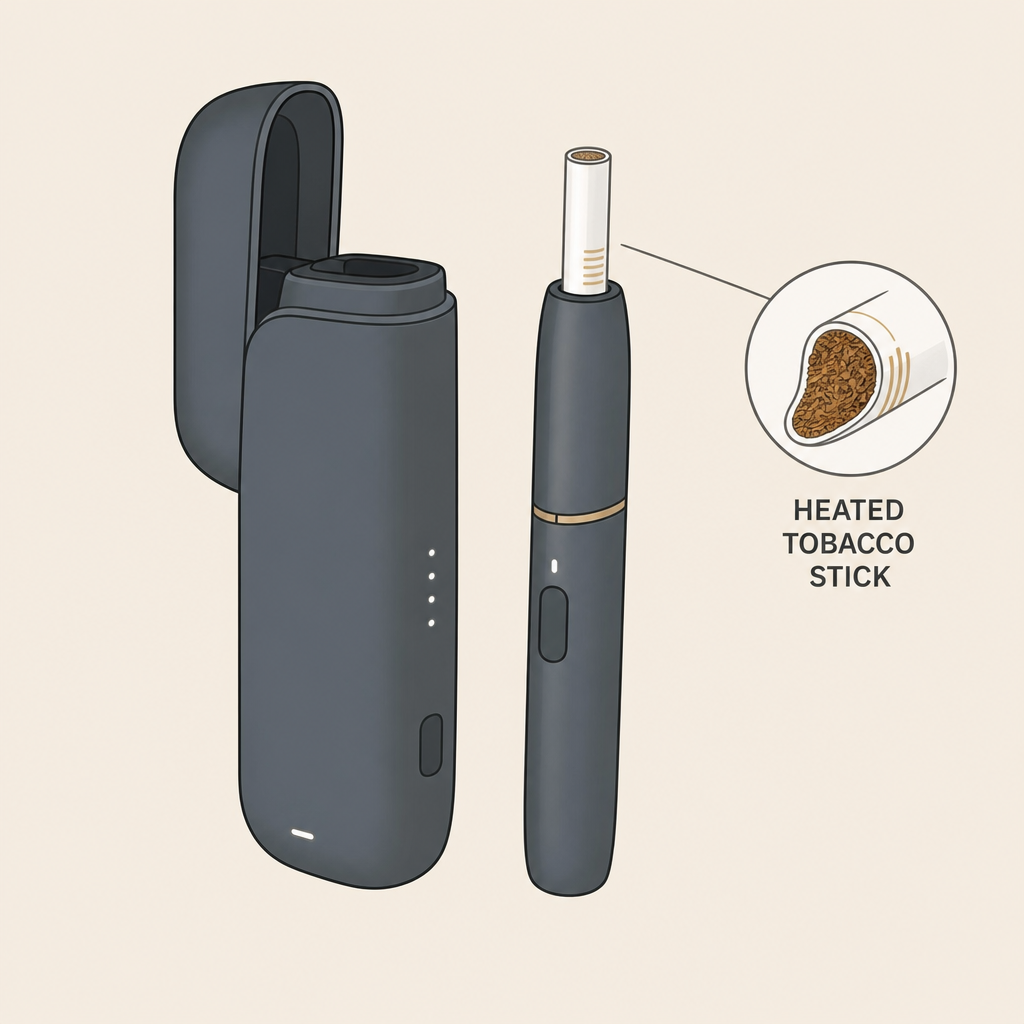
How Do Heated Tobacco Products Work?
Heated tobacco products work by gently warming the tobacco instead of igniting it. This technology uses a heating element powered by a battery. The element heats the tobacco stick to a specific temperature.
At thes
e controlled temperatures, tobacco releases nicotine and flavors as an aerosol. It’s an innovative method aimed at reducing harmful chemicals found in traditional cigarette smoke. The aerosol contains substantially fewer substances, offering a cleaner option.
The process preserves the tobacco’s flavor while delivering nicotine. Users inhale this aerosol, experiencing a familiar but reduced-risk nicotine experience. It’s a method designed for those seeking a smoking alternative with fewer risks.
Key components of heated tobacco product operation include:
- Battery-powered heating element
- Temperature control system
- Specially designed tobacco sticks
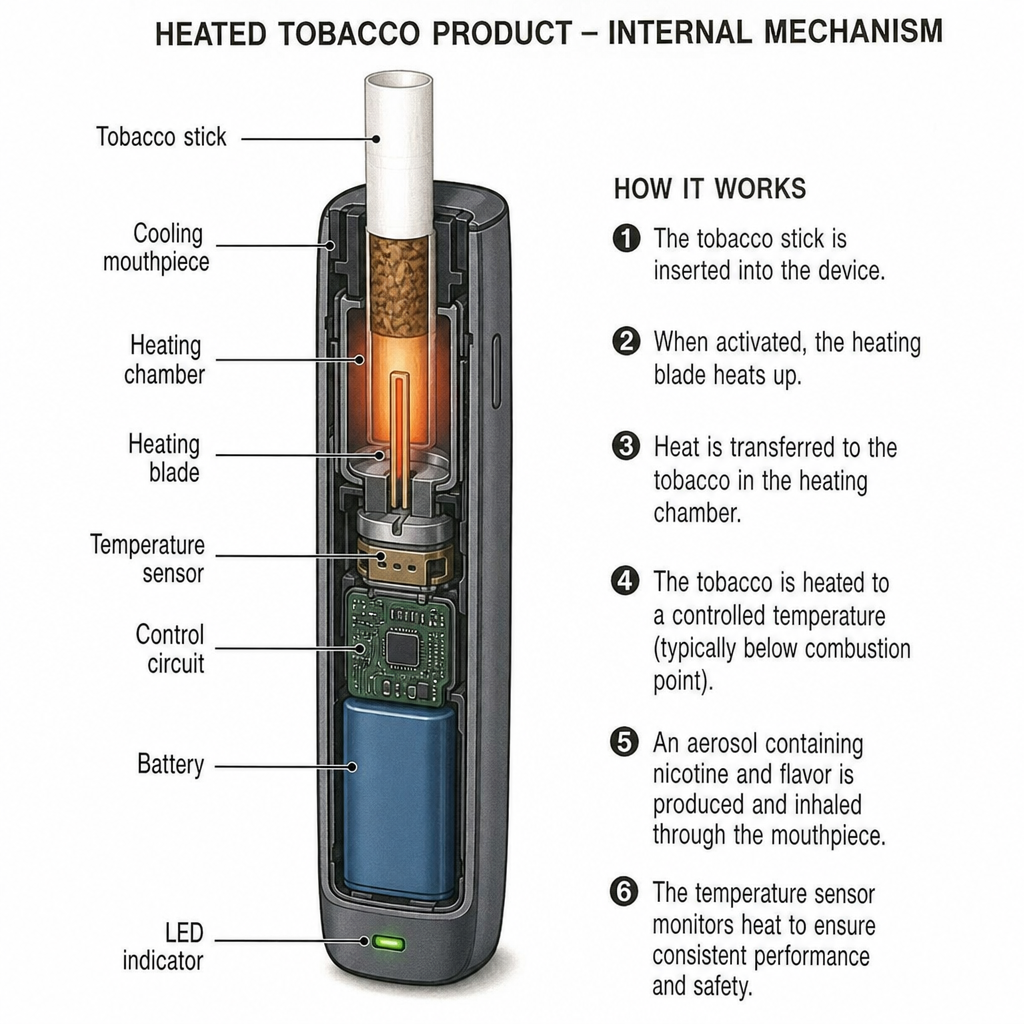
By understanding the technology, users can appreciate the differences from other smoking methods. This unique approach offers a compromise between smoking satisfaction and potential harm reduction.
Heat-Not-Burn Technology Explained
Heat-not-burn technology is at the heart of heated tobacco products. Unlike traditional cigarettes, it doesn’t burn tobacco. Instead, it heats it to create an inhalable aerosol.
This technology aims to offer smokers a less harmful choice. By avoiding combustion, many toxic chemicals associated with burning are
minimized. The result is a cleaner experience.
Heat-not-burn devices often include sophisticated sensors and control systems. These elements ensure the optimal temperature is maintained. Precision is key to maximizing the reduction of harmful substances.
Key features of heat-not-burn technology include:
- Precision temperature control
- No combustion, just heating
- Minimization of harmful chemicals
by Gábor Szűts (https://unsplash.com/@szutsi)
Manufacturers market these systems as cutting-edge alternatives. They stress reduced harm compared to traditional smoking. This innovation is reshaping perceptions and habits in tobacco use.
Heat-not-burn technology continues to evolve. Continuous improvements aim at better experiences and even lower
risks. It’s a step towards a safer way of enjoying tobacco.
Heated Tobacco vs. Traditional Smoking
Heated tobacco products and traditional cigarettes differ significantly in their design and function. The key distinction is how they process tobacco.
Traditional cigarettes burn tobacco to produce smoke. This combustion releases many harmful chemicals. These include tar and carbon monoxide, which are linked to various health issues.
In contrast, heated tobacco products heat tobacco without burning it. This minimizes the release of many toxic substances. Users inhale an aerosol instead of smoke, offering a different experience.
Comparison points include:
- Emission type: smoke vs. aerosol
- Chemical release: high vs. reduced
- Flavor experience: intense vs. subtle

by Gowtham AGM (https://unsplash.com/@gowthamagm)
Whil
e heated tobacco products are marketed as safer, they are not risk-free. Both options are addictive due to nicotine. However, heated tobacco is a growing choice for those wanting a potentially lower-risk alternative.
Overall, consumers are increasingly considering heated tobacco. For many, the reduced exposure to harmful chemicals is a compelling reason to switch.
Heated Tobacco vs. Other Smoking Alternatives
Heated tobacco products are just one of several smoking alternatives available today. Each option offers its own features and benefits.
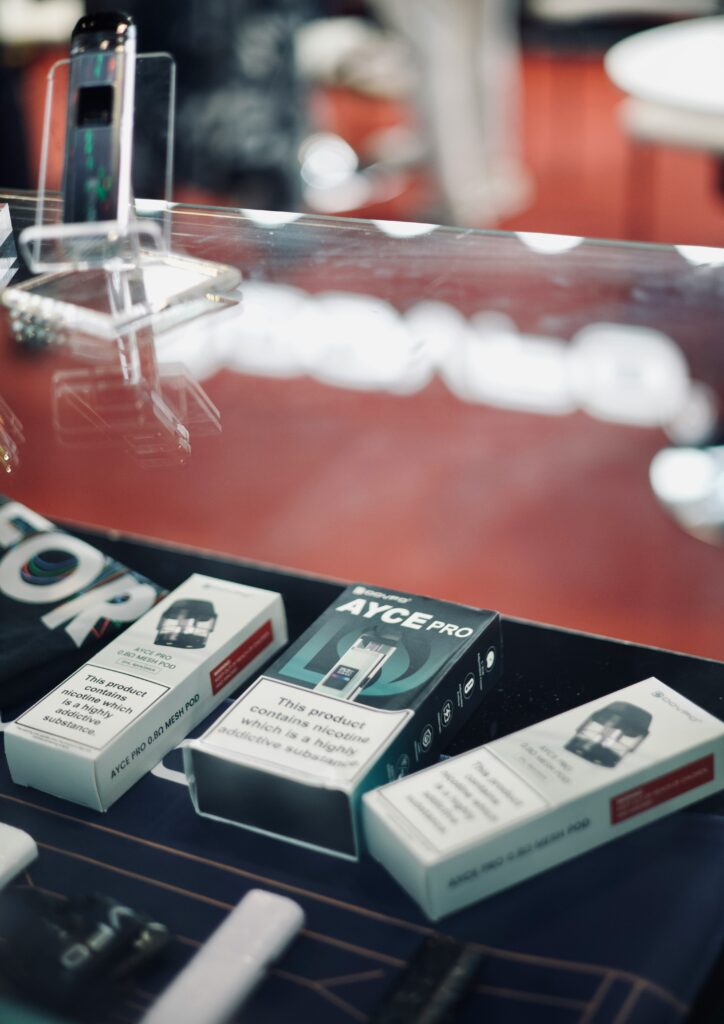
E-cigarettes are a common alternative. They use liquid nicotine instead of tobacco. This creates a vapor when heated, appealing to those who dislike tobacco’s taste.
Nicotine replacement therapies (NRTs) like patches and gums help reduce cravings without smoking. These focus on delivering nicotine gradually to aid quitting.
Alternatives include:
- E-cigarettes
- Nicotine patches and gums
- Herbal cigarettes
by Sierra Alpha Juliet (https://unsplash.com/@mrhz)
Heated tobacco provides a unique experience that bridges the gap between smoking and vaping. It satisfies those seeking a familiar tobacco flavor. The choice often depends on personal preference and how each method fits into a user’s lifestyle.
Ultimately, heated tobacco is part of a growing market of tobacco alternatives. Consumers are presented with diverse options, all aiming to reduce harm. This variety empowers individuals to find the most suitable pathway away from traditional smoking.
Popular Brands and Devices
Heated tobacco products have rapidly gained recognition worldwide, leading to the emergence of notable brands. Some companies dominate the landscape with their innovative devices.
IQOS, manufactured by Philip Morris International, is perhaps the most recognized brand. It heats tobacco sticks without burning them, offering a smoother experience. The device’s sleek design appeals to many users.
Glo by British American Tobacco is another popular option. It features an advanced heating element for a consistent taste. Both brands emphasize technology and user-friendly designs.
Prominent heated tobacco brands:
- IQOS
- Glo
These brands highlight the dynamic evolution within the tobacco industry. Each offers unique features aimed at enhancing consumer satisfaction. As the demand for smoking alternatives grows, these devices are at the forefront, balancing tradition with innovation.
Health Considerations and Risks
Heated tobacco products are often considered a less harmful alternative to traditional smoking. However, they are not risk-free and still carry health considerations.
The main health claim centers around their potential to reduce harmful chemicals compared to cigarette smoke. Yet, they still deliver nicotine, which can lead to addiction. Understanding these risks is crucial for informed decision-making.
Scientific studies on their long-term health effects are limited. While some research shows reduced toxins, the impact on overall health is yet to be determined. Users should stay informed as more data becomes available.
Some common concerns include:
- Potential for nicotine addiction
- Presence of certain toxins and chemicals
- Uncertainty over long-term health effect

by Trent Haddock (https://unsplash.com/@trailshutter)
The World Health Organization advises caution. Heated tobacco products might pose less harm than smoking, but they still pose certain risks. Smokers and non-smokers alike should weigh these risks against any potential benefits when considering these products.
Regulation and Global Adoption
Regulations for heated tobacco products vary widely across different countries. Some nations have embraced them as part of harm reduction strategies, while others approach them cautiously.
In regions like Japan, they have gained significant popularity. European countries have developed specific guidelines for their sale and use. Meanwhile, some places impose regulations similar to traditional cigarettes, emphasizing health and safety.
The differing regulatory landscapes reflect broader debates about smoking alternatives. Key global perspectives include:
- Balancing public health priorities
- Adapting existing tobacco laws
- Ensuring proper consumer education

by Hans (https://unsplash.com/@hansphoto)
Regulatory decisions influence their adoption and acceptance globally. Consumers may face restrictions in purchase, advertising, and usage depending on their location. As such, staying informed about local regulations is vital for users considering these products.
Cost, Accessibility, and User Experience
The cost of heated tobacco products can be a barrier for some consumers. Initial purchase includes a device, which can be more expensive than a pack of cigarettes. However, once the device is acquired, consumables might be more affordable in the long term.
Accessibility varies significantly across regions. In some countries, heated tobacco products are readily available in convenience stores, while in others, they may be limited to specialized shops or online platforms.
User experience with these products often includes:
- A modern, sleek device design
- Varied flavor options
- Reduced odor compared to cigarettes

by Souris (https://unsplash.com/@madsouris)
Consumer satisfaction depends largely on expectations and personal preferences. Some users appreciate the discreetness, while others miss the traditional smoking experience. Nevertheless, they offer a unique alternative with distinct advantages for those willing to try.
The Future of Heated Tobacco Products
The future of heated tobacco products looks promising with ongoing advancements in technology. Increasing consumer interest and demand for safer tobacco alternatives drive innovation in this field.
Several trends may influence the evolution of heated tobacco products:
- Enhanced device technology for improved user experience
- Expanding flavor options to cater to diverse tastes
- Increased focus on reduced harm through scientific research
Regulatory changes and public opinion will also shape their development. As more research emerges, the role of heated tobacco products in harm reduction strategies will become clearer. The continued adaptation to consumer needs is likely to sustain their growth in the market.
Conclusion: Are Heated Tobacco Products Right for You?
Heated tobacco products offer a modern alternative for smokers seeking reduced risk. While not risk-free, they potentially present fewer health hazards compared to traditional smoking.
Deciding if they’re right for you depends on your individual needs and preferences. It’s important to weigh the potential benefits and risks, and consider consulting a healthcare professional for personalized advice. This choice should align with your lifestyle and health goals.